




Build Thinkers. The Math Will Follow.

How Thinking Games Change The Story
Rooted in principles that help students grow into strong, flexible thinkers
Many students quietly decide that math isn't for them. It builds through frustration, wrong answers, and the slow feeling that struggling means they're not smart enough.
Thinking games lower the stakes. There's no grade, no red ink, no pressure to be fast. Just a puzzle to solve. In that space, children start taking risks again. They experiment. They play.
Without realizing it, they're exercising the cognitive skills that underlie math: working memory, spatial reasoning, pattern recognition, and the persistence to sit with hard problems.
Over time, something shifts. Students begin to believe something powerful: “I figure things out.” Math stops being something done to them and becomes something they believe they can do.
Vetted Free Tools For Your Classroom
Filter by what matters to you. A curated collection of thinking games that build the reasoning, persistence, and pattern recognition your students need. Ready for warm-ups, enrichment, or reward time.
Loading programs...
Give Your Students a Taste of Real Mathematical Thinking
A short, age-right puzzle set you can send to students to try on their own. There's nothing for you to grade and nothing lands in a record — each kid gets their own result and a path to go deeper. We keep only anonymous totals.





Pathways For Your Strongest Thinkers
When students show theyʼre ready for more, these programs provide the structured challenge they need. Share these with parents or use them to guide your enrichment recommendations.

National Math Stars
A pathway for discovering and uplifting extraordinary math students.

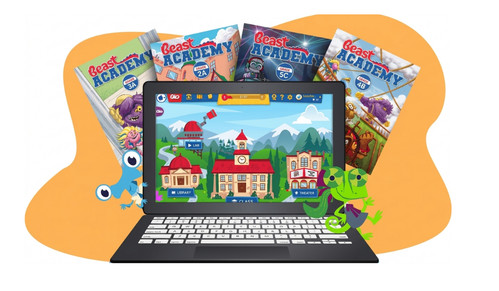
Beast Academy
A math curriculum that combines innovation, joy, and proven excellence.

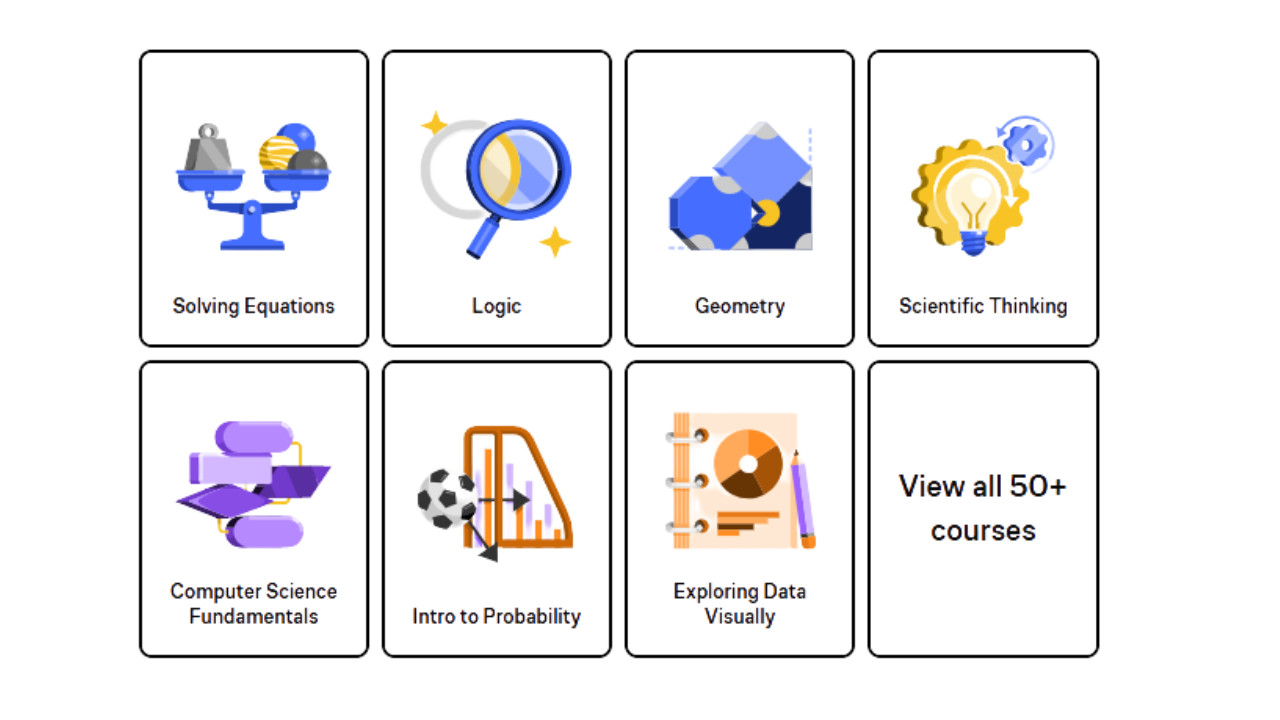
Brilliant
Interactive courses that bring STEM to life and grow students into great problem solvers.
Amanda Ripley - The Smartest Kids in The World“Critical thinking and problem-solving aren’t 'extra skills'. They are the core design principle of high-performing education systems.”